
How to Hire a Lawyer in Montreal: Understanding the Process Step by Step
How to Hire a Lawyer in Montreal: Understanding the Process Step by Step

Why People Ask “How Can I Get a Lawyer?”
For most people, the need for a lawyer doesn’t appear gradually, it arrives suddenly. A family disagreement escalates into a divorce. A business partner breaks a contract. A police officer hands you a notice to appear in court.
At that moment, the first thought many people have is “How do I even hire a lawyer?” and “What does the process look like?”
In Quebec, lawyers are members of the Barreau du Québec, a professional order that enforces ethical conduct, transparency in billing, and proper handling of client funds. Every practicing lawyer must follow these standards.
Understanding the mechanics of hiring a lawyer from identifying your legal need to reviewing a retainer agreement not only saves time but also prevents future disputes and confusion.
1. Identify Your Legal Need
The legal field is broad, and not every lawyer handles every type of issue. Before you start your search, define your situation clearly.
If you’re dealing with:
- Family matters such as divorce, child custody, or alimony — look for a family lawyer.
- Criminal accusations or traffic offences — contact a criminal defence lawyer.
- Buying or selling property — work with a real estate lawyer familiar with Quebec’s civil law.
- Business or employment issues — find a corporate, commercial, or labour lawyer.
- Residency or visa problems — seek an immigration lawyer.
The clearer you are about your problem, the faster you can find the right person to solve it. In some cases, a brief phone call with a firm can help you confirm whether your case fits their area of practice.
2. Research and Compare Lawyers
Not all lawyers operate the same way. Some are solo practitioners focusing on personal attention; others work in firms with multiple specialists. To compare effectively, start with reliable sources.
- Barreau du Québec Directory: It lists all licensed lawyers in the province and allows you to filter by city and specialization. This ensures the lawyer is in good standing.
- Law firm websites: Review practice areas, education, and years of experience. Many include short biographies or case examples.
- Personal recommendations: A trusted referral from someone who’s had a positive experience can be valuable.
- Legal aid offices or referral services: If your case is urgent or time-sensitive, the Barreau provides contacts for immediate assistance.
While experience matters, communication style and trust are just as important. A lawyer who listens, answers clearly, and respects your concerns is often more effective than one with a prestigious title but poor availability.
3. Book an Initial Consultation
Most people underestimate how informative the first consultation can be. It’s not just a formality it’s a working session where you assess whether this professional is the right fit.
Some firms offer a free consultation; others charge a fixed or hourly fee. During this meeting, you’ll describe your case, provide key documents, and discuss expectations.
Prepare questions in advance, such as:
- How long have you practiced in this area of law?
- What outcomes are realistic in my case?
- How do your fees work?
- How often will we communicate?
Bring copies of contracts, correspondence, or any evidence related to your issue. A clear, well-organized presentation will help the lawyer evaluate your situation accurately.
Good lawyers will not promise victory, they’ll explain potential strategies and challenges honestly.
4. Understand Fees, Retainers, and Trust Accounts
Legal fees vary greatly in Quebec. They depend on the type of case, complexity, and the lawyer’s experience.
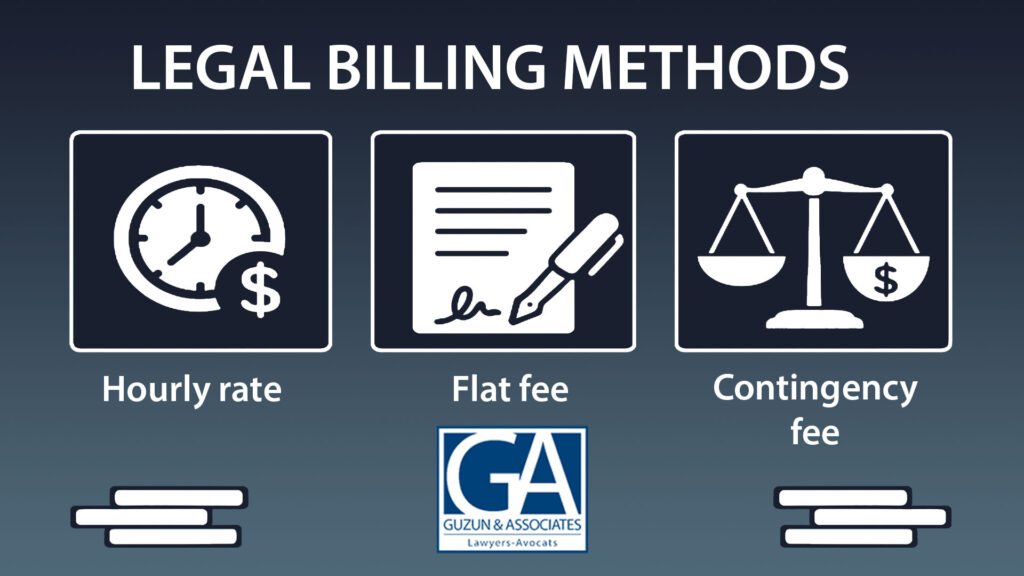
Common billing methods include:
- Hourly rate: Standard for ongoing or unpredictable cases like litigation.
- Flat fee: Often used for drafting contracts, notarized documents, or simple procedures.
- Contingency fee: Common in personal injury and civil claims; payment depends on the result.
A typical hourly rate might range from $100 to $500+, while senior litigators may charge more for court appearances or complex corporate work.
Most lawyers will ask for a retainer, an upfront deposit that acts as a credit toward future work. This money is placed in a trust account (compte en fidéicommis), regulated by the Barreau du Québec. The lawyer draws from it as work is completed and provides detailed invoices.
Always request a written agreement describing:
- How the lawyer calculates fees and expenses;
- How the retainer will be managed;
- What happens if you stop the mandate midway.
If a lawyer asks you to pay directly to their personal account without the words “in trust,” treat that as a red flag.
5. Legal Aid and Fixed Tariffs
Quebec has one of the most comprehensive Legal Aid (Aide juridique) systems in Canada. If your income and assets are within the qualifying limits, you may be entitled to free or low-cost legal representation.
Depending on your situation, Legal Aid can:
- Assign you a staff lawyer employed by the Legal Aid office;
- Allow you to choose a private lawyer who accepts cases under the Legal Aid tariff schedule.
The assistance covers many areas, including criminal defence, family law, housing, and immigration. It ensures that financial hardship never prevents access to justice.
6. Review the Retainer Agreement Carefully
Once you’ve decided to hire a lawyer, you’ll formalize the relationship by signing a retainer or mandate contract.
This agreement should clearly outline:
- What the lawyer will do for you;
- How fees will be billed and when they’re due;
- How the retainer deposit is kept in trust;
- The conditions for ending the contract;
- Your responsibilities — such as providing truthful information and necessary documents.
Take your time reading it. Don’t feel pressured to sign immediately. A responsible lawyer will encourage you to understand every clause. If something feels unclear, ask for clarification in writing.
7. Communication and Case Management
Hiring a lawyer isn’t just about expertise it’s also about teamwork. Clear communication keeps your case moving efficiently.
You can expect:
- Regular updates about new developments;
- Transparent explanations of strategies or settlement offers;
- Honest feedback about your expectations versus reality.
At the same time, you have a role to play. Respond to messages promptly, keep copies of all correspondence, and inform your lawyer about any changes that could affect your case. Clients who stay organized help their lawyers work more effectively and save on billable time.
8. Changing Lawyers (If Needed)
Even with careful selection, sometimes a working relationship doesn’t go as planned. In Quebec, clients are always free to terminate a lawyer’s mandate.
If you choose to switch, you must pay any outstanding balance for work already done. Your new lawyer can request the transfer of your file directly from the former one to maintain continuity.
If the problem is related to billing or ethical conduct, the Barreau du Québec provides formal procedures for conciliation and arbitration of fees. These are designed to resolve disputes fairly without going to court.
When to Seek Immediate Legal Help
Certain situations require immediate legal assistance. Delaying even a few days can affect your rights. Seek help quickly if:
- You’ve been arrested or charged with an offence;
- You received a court notice, subpoena, or eviction order;
- You’re being asked to sign a contract or agreement under pressure;
- There’s a risk of losing your property or custody rights.
In urgent cases, many firms can schedule same-day consultations or connect you with emergency legal services through the Barreau.
How Guzun & Associates Lawyers Can Help
At Guzun & Associates, we focus on guiding clients through every stage of hiring and working with a lawyer — especially for those who are navigating the legal system for the first time.
Our team offers representation in:
- Family law: divorce, child custody, and support;
- Civil and commercial disputes: contract breaches, small claims, and mediation;
- Real estate law: property purchases, disputes, and notarial coordination;
- Immigration and administrative law: residency, permits, and appeals.
We believe in transparency you’ll always know how your retainer is handled, what stage your file is at, and what steps come next.
If you qualify for Legal Aid, we can also coordinate your case under the government tariff program.
FAQ
Do I have to use the Barreau du Québec directory?
Not necessarily, but it’s the most reliable way to confirm that a lawyer is licensed and in good standing.
What’s the difference between a consultation fee and a retainer?
A consultation fee covers the first meeting or assessment. A retainer is an advance deposit kept in trust for ongoing legal work.
Are contingency fees allowed in Quebec?
Yes, but only in specific cases like personal injury or class actions. They are prohibited in criminal matters and discouraged in family disputes.
What if I can’t afford a lawyer?
Apply for Legal Aid. You may qualify for free or reduced-cost services, depending on your income and the nature of your case.
What if I disagree with a lawyer’s bill?
You can request fee conciliation or arbitration through the Barreau du Québec. The process is confidential, impartial, and client-friendly.
Contact Guzun & Associates Lawyers
📞 Call: +1 (514) 842-7414
📧 Email: office@avocatguzun.com
📍 Visit: 105-1 rue McGill, Suite 15B, Montreal, Quebec